Foods To Support Your Brain Health Through Midlife, Menopause and Beyond
Brain fog, forgetfulness, poor concentration and mood changes are common during perimenopause and menopause. While these symptoms are often blamed solely on hormones, research shows that nutrition plays a critical role in protecting the female brain during midlife and beyond.
Women account for nearly two-thirds of Alzheimer’s disease cases. This increased vulnerability appears to be linked to hormonal changes that affect brain energy metabolism, inflammation and blood flow. Importantly, diet is one of the most powerful modifiable factors for long-term brain health.
The strongest dietary evidence: the MIND diet
The MIND diet (Mediterranean–DASH Intervention for Neurodegenerative Delay) is currently the most robust, evidence-based dietary pattern for cognitive protection. Developed by researchers at Rush University, it combines elements of the Mediterranean and DASH diets, with a specific emphasis on foods shown to slow cognitive decline.
Large prospective studies demonstrate that moderate adherence to the MIND diet is associated with a 35% reduction in Alzheimer’s disease risk, rising to over 50% with high adherence. Even partial adherence has been shown to slow cognitive ageing by several years (Morris et al., 2015; 2018).
Key nutrients for the midlife female brain
Omega-3 fatty acids (especially DHA)
DHA is a structural component of brain cell membranes and plays a central role in reducing neuroinflammation. Oestrogen supports DHA transport into the brain, meaning requirements may increase after menopause. Regular intake of omega-3-rich foods has been linked to improved memory and executive function in clinical trials (Yurko-Mauro et al., 2010).
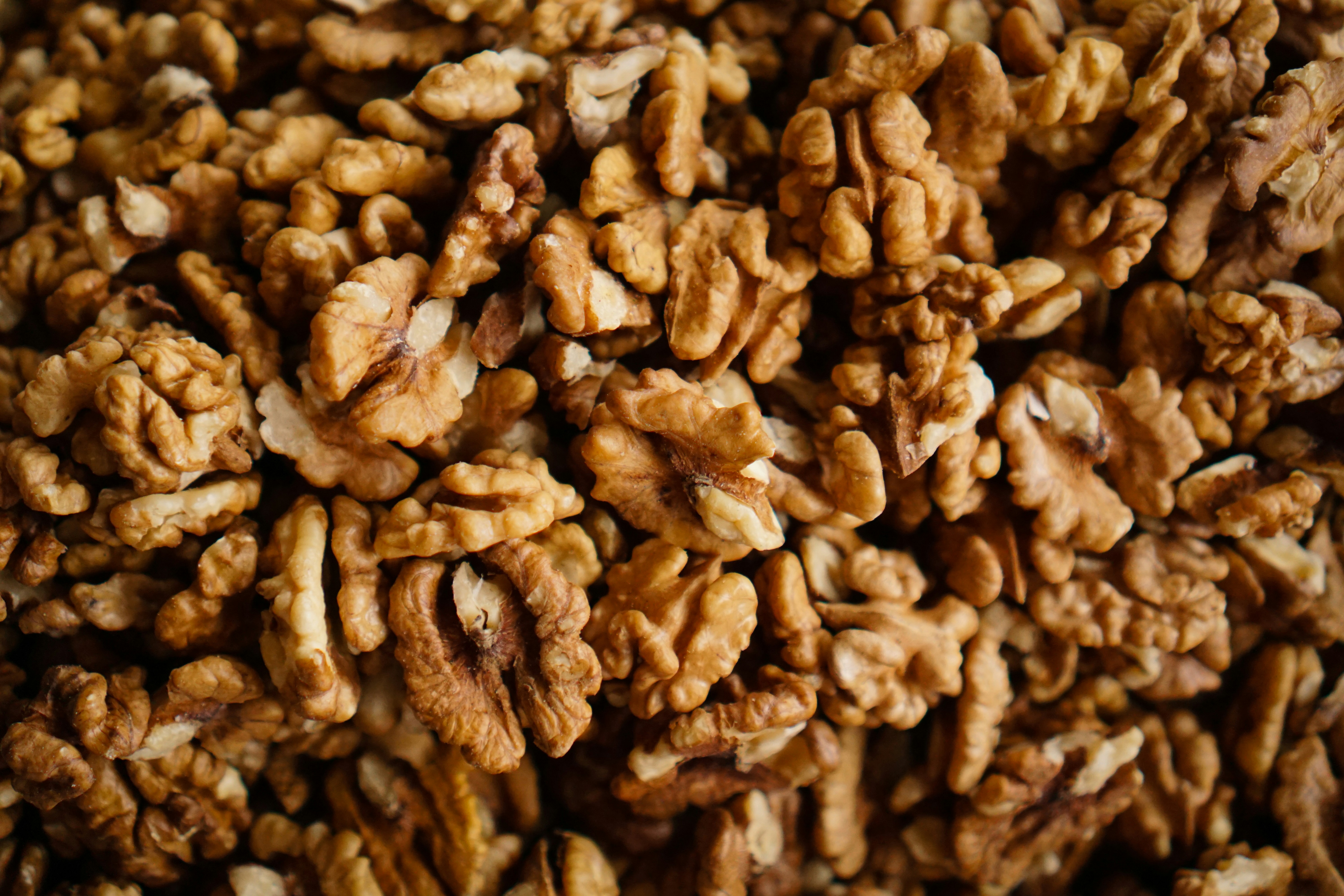
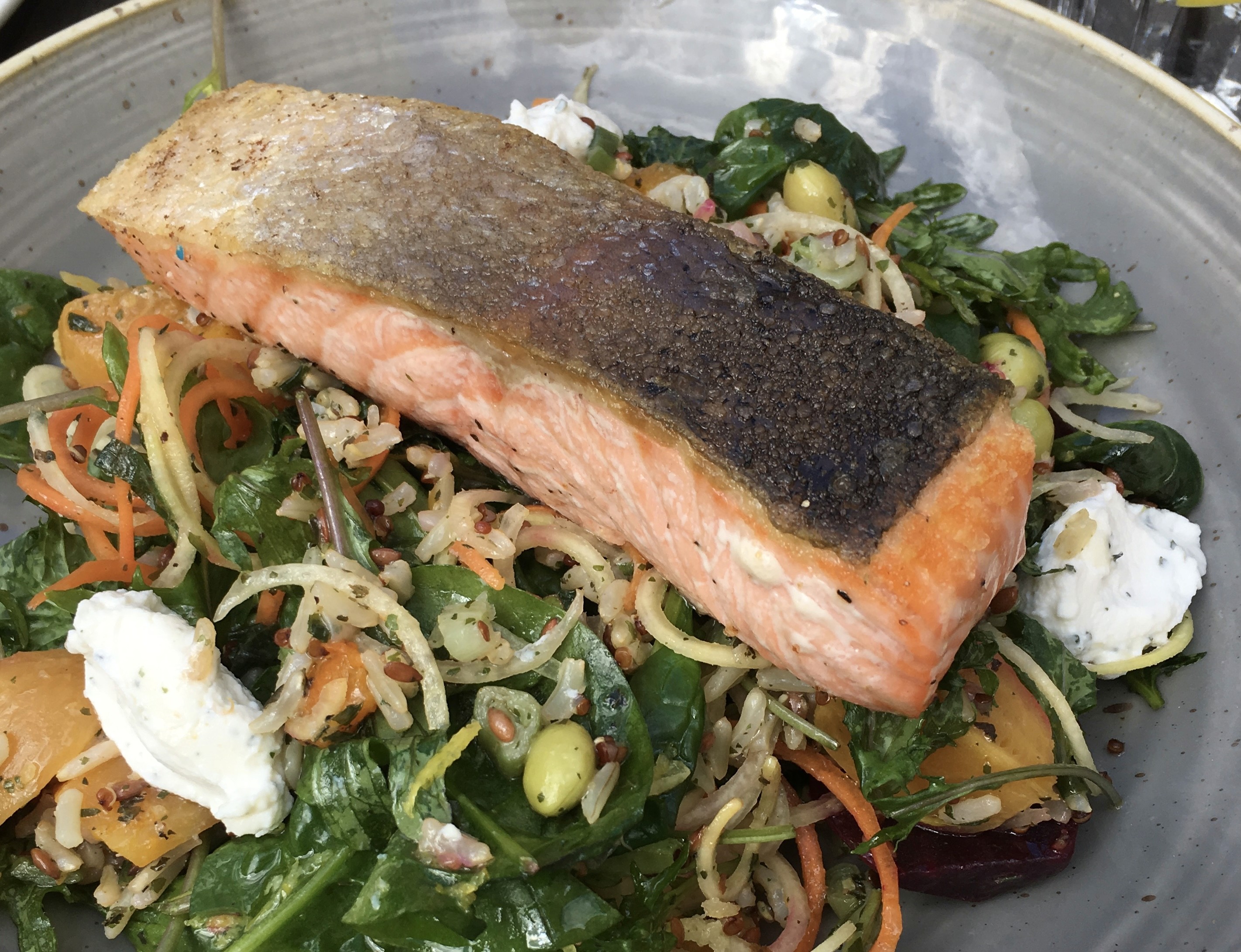
Key foods: Salmon, mackerel, anchovies, sardines, herring, trout, albacore tuna, walnuts, chia seeds, flax seeds, edamame.
Leafy green vegetables
Spinach, kale and other leafy greens are rich in folate, vitamin K and lutein. In a large cohort study, consuming just one serving per day was associated with a brain age equivalent to 11 years younger (Morris et al., 2018).
Key foods: Broccoli, spinach, kale, brussel sprouts, cabbage, cavolo nero
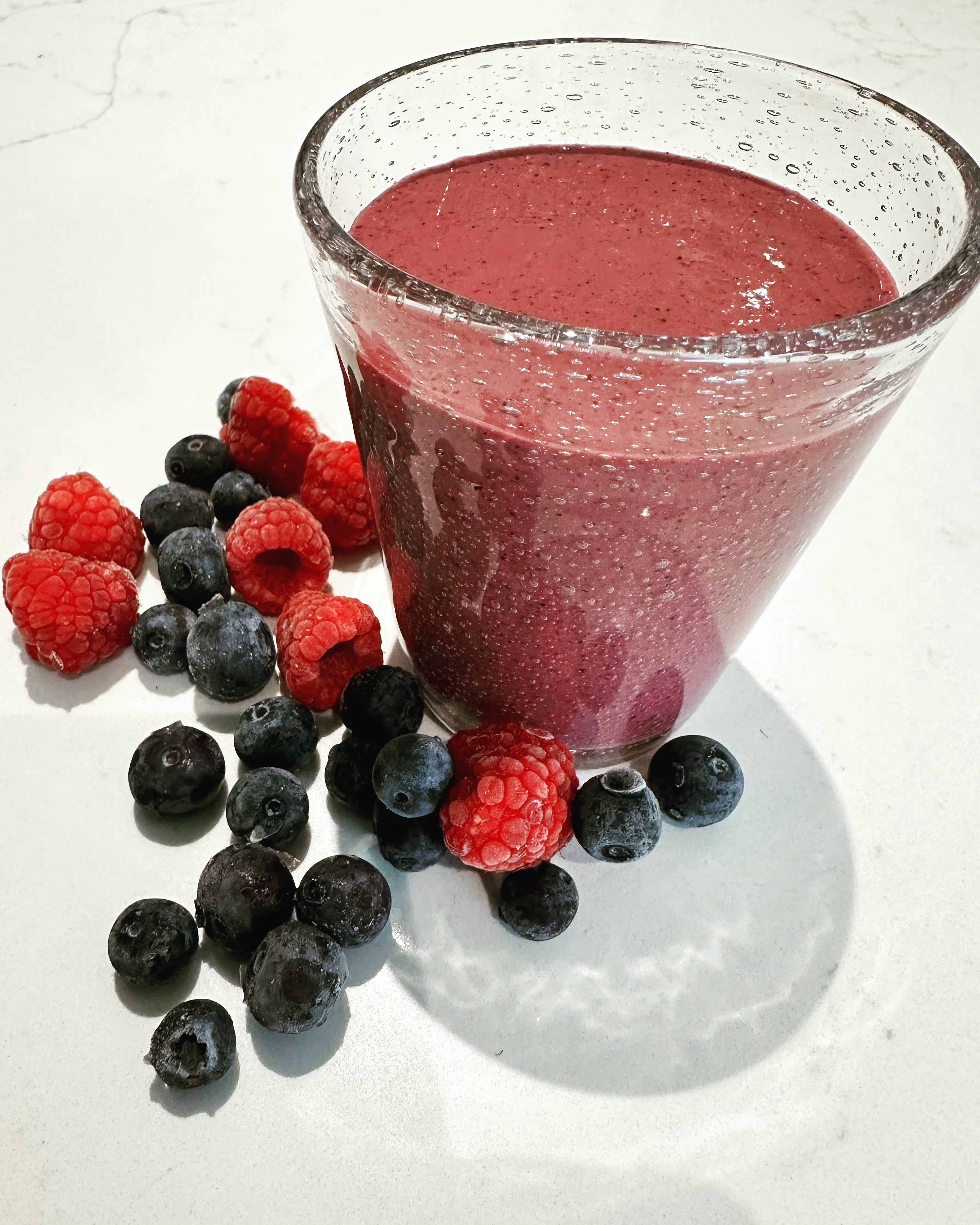
Berries
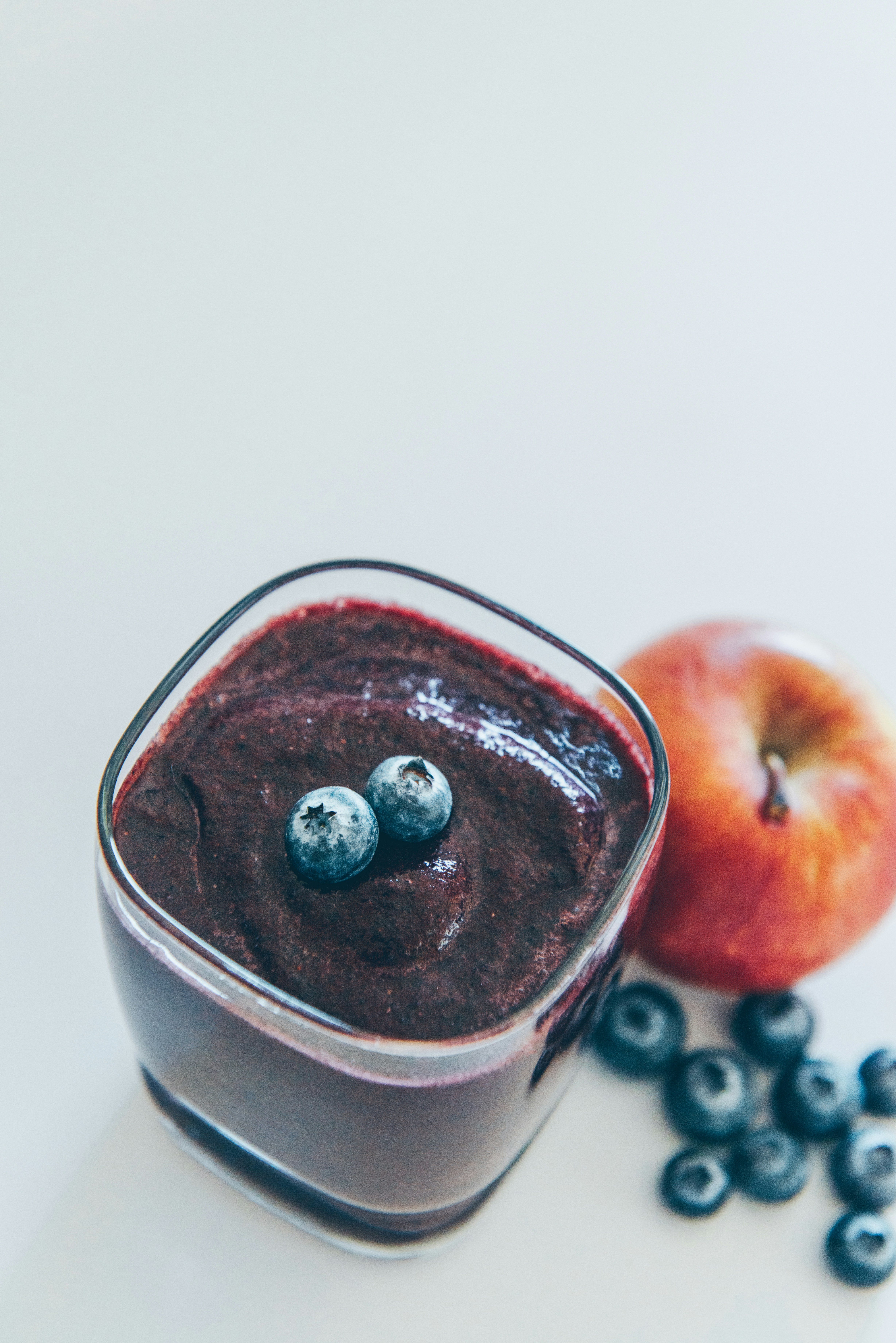
Berries contain anthocyanins that cross the blood–brain barrier, helping to reduce oxidative stress and support neuronal signalling. Higher berry intake has consistently been associated with slower cognitive decline and better memory performance (Devore et al., 2012).
Key foods: Blueberries, blackberries, raspberries, redcurrants, blackcurrants, strawberries
Extra virgin olive oil
Extra virgin olive oil provides polyphenols that support vascular health and reduce amyloid-β accumulation in the brain. The PREDIMED randomised controlled trial demonstrated improved cognitive performance in participants following an olive-oil-rich Mediterranean diet (Martínez-Lapiscina et al., 2013).
Low-glycaemic carbohydrates and plant proteins
Insulin resistance becomes more common during menopause and is strongly linked to cognitive decline. Diets that support stable blood glucose — including legumes, whole grains and fibre-rich carbohydrates — are associated with better brain outcomes (Craft, 2009).
Key foods: Lentils, pulses, nuts, seeds, beans, chickpeas, sweet potato, brown rice, wholemeal sourdough
Foods to limit
Ultra-processed foods, refined sugars, trans fats and excess alcohol are consistently associated with poorer cognitive health. Each 10% increase in ultra-processed food intake has been linked to a 28% faster rate of cognitive decline (Gómez-Donoso et al., 2023).
Brain-supportive meal ideas
Lunch
Try my Cavolo Nero and Borlotti Bean Minestrone drizzled with extra virgin olive oil and a sprinkling of toasted walnuts, served with wholegrain sourdough.
Dinner
Try my Miso salmon with quinoa with roasted broccoli and kale drizzled with extra virgin olive oil. Finish with Greek or soy yoghurt and a handful of blueberries.
The takeaway
For midlife women, consistently following a MIND-style dietary pattern is the most scientifically supported approach currently available for protecting memory, cognition and long-term brain health.
Author
Lisa Patton